BRANDY SAFFELL, MSc, CF
I'm a forester passionate about helping people care for the forests they love. My career has centered on building collaborative conservation programs, translating science into practice, and empowering landowners and natural resource professionals to be effective stewards of Pacific Northwest forests.
For nearly seven years, I served as Forest Conservation Specialist at Tualatin Soil and Water Conservation District, where I built their forest conservation program from the ground up. This work involved everything from developing strategic priorities and securing funding to visiting woodland properties, writing management plans, and coordinating complex partnerships. I founded the Wildfire Ready! and Climate Smart Forestry in Washington County partnerships, bringing together diverse stakeholders around shared conservation goals. Before joining Tualatin SWCD, I coordinated forestry and natural resource education programs at Oregon State University Extension Service, including the award-winning Oregon Forest Pest Detector Program.
I hold a Master of Science in Forest Ecosystems & Society from Oregon State University and am a certified Conservation Planner through the Natural Resources Conservation Service and a Certified Forester through the Society of American Foresters. I'm also a registered professional member of the Forest Stewards Guild. I taught Introduction to Small Woodland Management at Clackamas Tree School from 2020 to 2025.
One of my first forestry mentor's mission was "to do good science with friends," and that philosophy guides my work today. I believe the best conservation happens when people who care about forests collaborate with rigor, respect, and genuine partnership. Through Sanicula Forest Consulting, I bring that collaborative approach to every project—whether writing a management plan, facilitating a partnership, or tackling complex forest conservation challenges alongside the clients I serve.
What is sanicula?
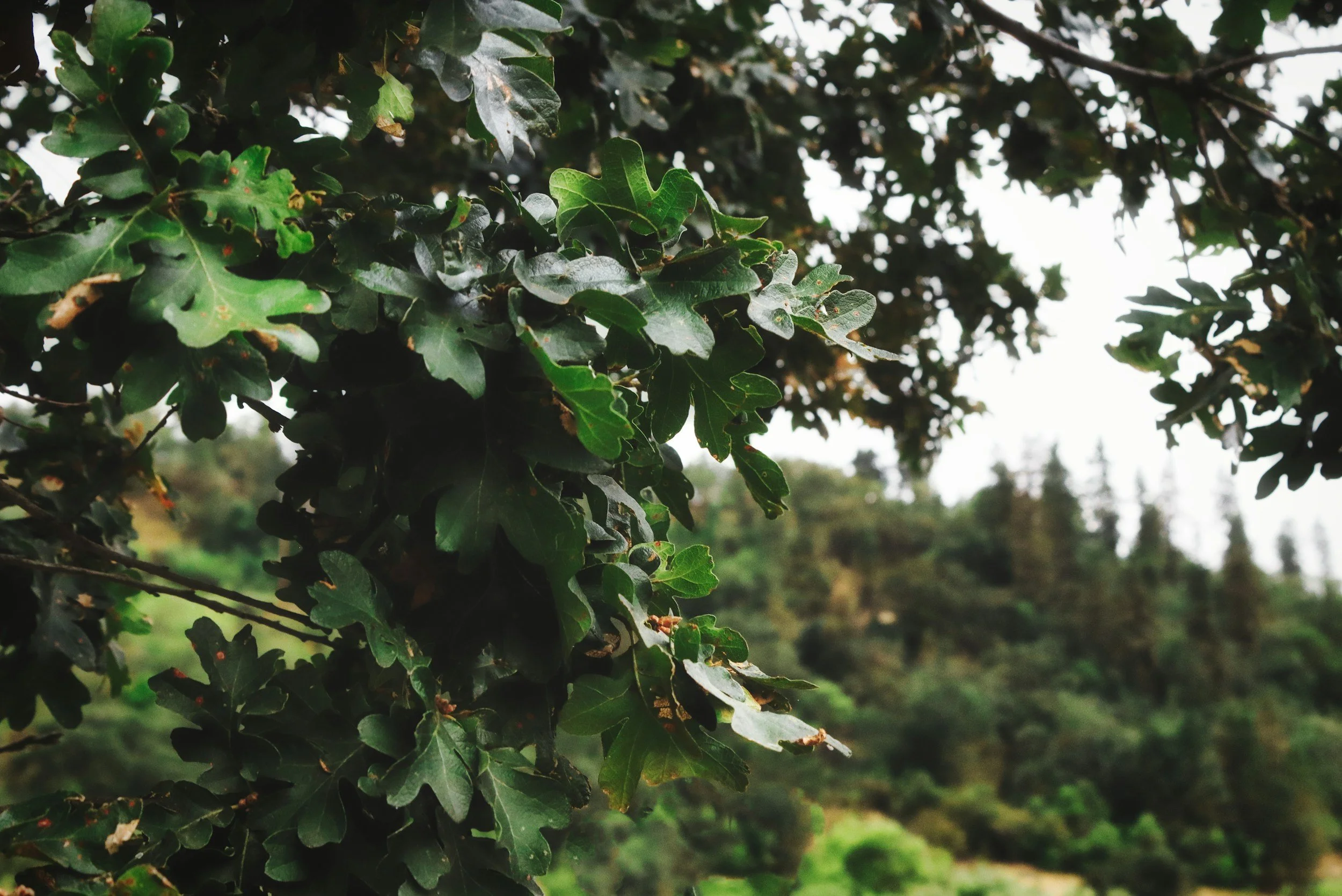
Sanicula, commonly known as Pacific sanicle or Pacific blacksnakeroot (Sanicula crassicaulis), is a native understory plant found throughout the woodlands of the Pacific Northwest. In the Portland area, it thrives in the dry, mixed forests where moist conifer stands transition into the oak woodlands of the Willamette Valley foothills—exactly the landscapes where I do much of my work.
As an indicator species, Sanicula tells us something important about the site: these are droughty conditions, places where water stress shapes which species survive and how forests respond to disturbance. In an era of increasing climate variability, understanding and working with these drier forest types is essential to building resilience in our regional landscapes.
I chose this name because it represents the forests I'm drawn to and the work I'm committed to. The common name "blacksnakeroot" also resonates with me—snakes symbolize transformation, the shedding of old patterns, and renewal. That's what I hope to offer clients: not just a plan or a report, but a partnership that helps you grow, adapt, and transition confidently into the next phase of your forest stewardship journey.
Photo: Walter Siegmund